Compare Local Contractors for Hedge Installation Services
Compare local contractors for hedge installation to define project scope, verify experience, and set clear expectations in writing for a successful outcome.
Hedge installation projects typically involve selecting, planting, and shaping hedge plants to create natural barriers, privacy screens, or decorative landscape features. This work can include preparing the soil, planting the chosen species, trimming and shaping the hedges to desired heights and forms, and establishing ongoing maintenance routines. Proper planning and execution are essential to ensure the hedges grow healthily and achieve the desired aesthetic or functional goals, making it important to work with experienced service providers who understand local plant varieties, soil conditions, and landscape design principles.
Defining the scope of a hedge installation project helps property owners set clear expectations and ensures that all necessary tasks are covered. This includes specifying the types of plants to be used, the size and layout of the hedges, and any additional work such as soil preparation, pruning, or ongoing maintenance. Having a detailed scope in writing can prevent misunderstandings, facilitate accurate comparisons between different contractors, and serve as a reference throughout the project. Clear communication about scope also helps property owners assess whether a contractor’s experience aligns with the specific requirements of the job.
When comparing local contractors for hedge installation, property owners should consider the experience and expertise of each service provider in handling similar projects. It’s helpful to review the scope of work they typically undertake, ask about their familiarity with local plant varieties and landscape conditions, and verify their approach to planning and communication. Gathering information about their previous work and requesting detailed proposals can aid in making informed decisions. By focusing on experience, clarity of scope, and the ability to provide comprehensive services, property owners can connect with qualified contractors capable of meeting their landscape needs effectively.
Compare local contractors by outlining priorities, verifying experience, and clearly defining scope and expectations in writing.
- Compare Contractor Credentials - Review the experience and reputation of local contractors to ensure they meet project requirements.
- Define Project Scope Clearly - Specify the desired hedge height, type, and layout to set clear expectations.
- Verify Experience and Past Work - Assess previous hedge installation projects to gauge contractor expertise.
- Document Agreements in Writing - Ensure all project details, responsibilities, and expectations are documented before work begins.

Clearly describe your hedge installation project to help compare options, verify experience, and set expectations in writing.
- Verify the contractor’s experience with hedge installation projects similar in scope and size. - Ensure the service providers clearly outline the scope of work and materials to be used in writing.
- Compare multiple local contractors to assess their expertise and the services they offer for hedge installation. - Look for detailed descriptions of the installation process and what is included.
- Check references or reviews to gauge the quality and reliability of the contractors’ previous hedge projects. - Confirm that the contractors have a history of satisfactory work with hedge installations.
- Define project expectations, including hedge height, type, and layout, and get these details documented in the contract. - Clarify the responsibilities and deliverables before work begins.
- Assess the contractor’s knowledge of local regulations or restrictions related to hedge planting and placement. - Ensure they are aware of any relevant guidelines that may affect the installation.
- Confirm the scope of work, including removal of old hedges, soil preparation, and planting, is detailed in the written agreement. - Make sure all aspects of the project are explicitly documented to prevent misunderstandings.
Compare local contractors’ experience and clarify project scope to ensure successful hedge installation.

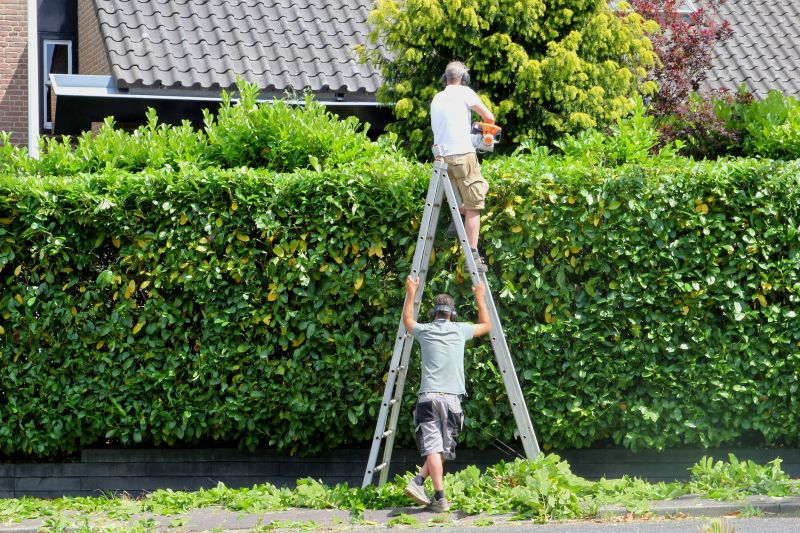


Learn how to compare local contractors, define your scope clearly, verify experience, and set written expectations.
- Scope Definition - Clearly outline the specific hedge installation tasks and desired outcomes to guide contractor selection.
- Material Selection - Specify the types of plants, hedging materials, and any preferred styles or sizes for the hedge.
- Experience Verification - Confirm that local contractors have relevant experience with hedge installation projects of similar scope.
- Work Specifications - Document detailed project requirements, including dimensions, layout, and any site-specific considerations.
- Written Agreement - Ensure all project scope details are documented in a written agreement to set clear expectations.
When comparing contractors for hedge installation, it is important to consider their experience with similar projects. Service providers who have a proven track record working on hedge planting and maintenance can offer insights into best practices and potential challenges specific to your landscape. Inquire about previous work that aligns with your scope to understand their familiarity with different hedge types, soil conditions, and site requirements. An experienced contractor is more likely to anticipate issues early and deliver results that meet expectations.
A clear, written scope of work is essential to ensure both parties have a shared understanding of the project’s details. This document should outline specific tasks, materials to be used, and the overall objectives of the hedge installation. Having a detailed scope helps prevent misunderstandings and provides a reference point for progress and completion. When evaluating service providers, ask if they can provide a comprehensive written outline before work begins, and ensure that all aspects of the project are explicitly described.
Verification of a contractor’s basic qualifications involves confirming their ability to handle your project’s scope and understanding their methods. While licensing and certification are not the focus here, it’s useful to verify their experience through references or examples of completed projects. Ask about their process for site assessment, preparation, and planting techniques. Additionally, inquire whether they follow industry best practices for soil prep, planting depth, and hedge shaping. This information can help gauge their competence and ensure they are equipped to deliver quality results.
Evaluating options without focusing on prices involves examining the quality of proposals, scope clarity, and the professionalism of each service provider. Review the details of each contractor’s written scope, experience, and approach to project management. Consider how well they communicate and whether their process aligns with your expectations. It is also beneficial to ask about their availability and their approach to handling unforeseen issues. By focusing on these factors, homeowners can make informed decisions based on the service provider’s expertise, clarity, and approach, leading to a successful hedge installation.
Ask contractors to provide written scope details to ensure expectations are clear and consistent throughout the project.
- Experience and Expertise - What specific experience do local contractors have with hedge installation projects?
- Scope of Work - How do contractors define and clarify the scope of hedge installation services?
- Materials and Techniques - What types of hedging materials and installation methods do service providers typically use?
- Project Expectations - How can the scope and responsibilities be documented clearly in writing before work begins?
- Comparison Criteria - What factors should be considered when comparing local contractors’ approaches to hedge installation?
How can I compare hedge installation contractors effectively? To compare contractors, review their experience, request references, and verify their understanding of the scope of work to ensure they meet project requirements.
What should I consider when defining the scope of hedge installation? Clearly outline the type of hedge, size, planting method, and any additional features to help contractors provide accurate proposals and ensure expectations are aligned.
How do I verify a contractor’s experience with hedge installation? Ask for details about their previous projects, request examples of similar work, and check whether they have handled hedge installations comparable to your needs.
Why is it important to have the scope of work in writing? Having a detailed, written scope helps prevent misunderstandings, sets clear expectations, and provides a reference for project completion standards.
What questions should I ask potential service providers? Inquire about their experience, approach to hedge installation, materials used, and how they handle project challenges to gauge their expertise and professionalism.
How can I ensure the contractor understands my specific hedge installation needs? Communicate your expectations clearly, provide detailed descriptions or sketches, and confirm that the contractor’s proposal aligns with your vision before proceeding.
This page has highlighted the importance of understanding your hedge installation project, including defining the scope, verifying the experience of potential contractors, and setting clear expectations in writing. By comparing different local service providers, you can better assess their capabilities and find the right fit for your needs. Using the quote form allows for an easy way to gather information and make informed decisions about which contractors to consider.
Taking the time to review and compare local contractors ensures that your hedge installation project is approached with clarity and confidence. The quote form provides a straightforward method to connect with service providers who can handle the job, helping you evaluate options and choose the best match for your specific requirements.